Farewell to Russia: A Journey Through the Former USSR
The title of this post might be a little misleading. I’m not writing about a journey I’ve taken – at least not yet. Despite my love of travel and long-standing fascination with the former Soviet Union, I have yet to visit Russia or any of the other 14 countries that emerged after the collapse of the USSR.
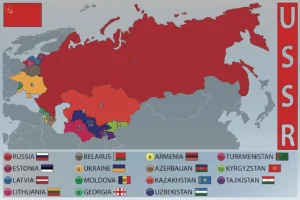
The Union of Soviet Socialist Republics (USSR) comprised 15 constituent republics, all of which became independent states following its dissolution on 26 December 1991. My inspiration for this post – and indeed its title – comes from a book I recently read:
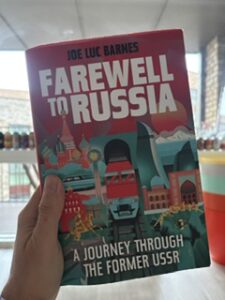
Farewell to Russia: A Journey Through the Former USSR, by journalist and former Oxford researcher Joe Luc Barnes.
Published earlier this year, the book follows Barnes as he travels across the 15 post-Soviet republics, exploring how they have forged their own identities and paths since the collapse of the Soviet Union, particularly in the context of Russia’s full-scale invasion of Ukraine in 2022. Blending personal observations with history, politics and culture, it is both an engaging travelogue and an insightful introduction to a region that is often misunderstood.
Rather than following a strict numerical sequence, the book is organised geographically and thematically. It contains 13 chapters: one dedicated to each former Soviet republic, with Estonia, Latvia and Lithuania sharing a single chapter (The Baltic States: The Straight-A Republics). If I had one criticism, it would be exactly that. I found myself wanting to read more about the Baltic states and would have happily welcomed a chapter devoted to each of them individually.
In this post, I’m taking inspiration from Barnes’ itinerary, beginning in Russia and ending in Ukraine, and even borrowing the evocative nicknames he uses as chapter titles (for example, he calls Azerbaijan the Republic of Oil and Gas, whereas Turkmenistan is the Republic of the Great Leader). Along the way, I’ll be sharing a selection of interesting facts, cultural highlights and travel trivia about each of the fifteen countries that emerged from the dissolution of the USSR.
But before setting off on that journey, it’s worth taking a step back and looking at the Soviet Union itself as it stood in December 1991, just before it disappeared from the map.
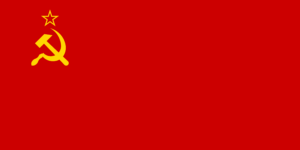
Union of Soviet Socialist Republics (USSR)
| Capital city:
Moscow |
| Biggest city:
Moscow |
| Population:
Approximately 293 million people |
| Land area:
Approximately 22,402,200 km² (8,649,500 sq mi), making it the largest country in the world at the time |
| Official language(s):
There was no constitutionally designated official language for the entire USSR, but Russian served as the de facto language of government, administration, the military, and inter-republic communication. The union republics also recognized their own official languages. |
| Predominant religion:
Officially atheist under state ideology for most of its existence. By 1991, religious practice had revived, with Eastern Orthodox Christianity being the largest faith, alongside Islam, Judaism, Buddhism, and others. |
| Regime:
Marxist–Leninist one-party socialist state governed by the Communist Party of the Soviet Union. In its final years under Mikhail Gorbachev, reforms introduced elements of political liberalization. Participation in international organisations: |
| The former USSR was a founding member of the United Nations and held a permanent seat on the United Nations Security Council. That seat was inherited by Russia after the breakup. |
| Participation in the Eurovision Song Contest: |
| Never participated. The Soviet Union dissolved before joining the contest. |
| Must-try food:
Pelmeni – meat-filled dumplings popular across much of the former Soviet Union. Other iconic dishes include Borscht and Olivier salad. |
| Official/Flag carrier airline:
Aeroflot, which was once the largest airline in the world and served as the national carrier of the USSR. Currency: Soviet ruble (SUR) |
| Fun fact: |
At its greatest extent, the Soviet Union stretched across 11 time zones and covered about one-sixth of the Earth’s inhabited land surface, bordering 12 countries and spanning Europe and Asia.
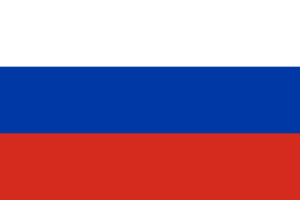
Russia: The Republic of Indifference
| Capital city:
Moscow (13.3 million) |
| Biggest city:
Moscow |
| Population:
Approximately 144 million people |
| Land area:
17,098,246 km², making it the largest country in the world |
| Official language(s):
Russian |
| Predominant religion:
Predominantly Eastern Orthodox Christianity, with significant Muslim minorities |
| Regime:
Federal semi-presidential republic Participation in international organisations: |
| Commonwealth of Independent States (CIS) |
| Participation in the Eurovision Song Contest: |
| 1994–2021(currently absent)
Highest place: Winner (2008) – Believe by Dima Bilan |
| Must-try food:
Borscht – a vibrant beetroot soup with a distinctive sweet-and-sour flavour, commonly enjoyed with a dollop of sour cream. |
| Official/Flag carrier airline:
Aeroflot Currency: Russian ruble (RUB) £1 = 105 RUB |
| Fun facts: |
Russia is the only former Soviet republic to have won Miss Universe and/or Miss World.
Oxana Fedorova was crowned Miss Universe 2002, becoming the first woman from Russia to win the title. However, she was later dethroned after failing to fulfill her duties, making her the only Miss Universe winner ever to lose the crown in this manner.
Ksenia Sukhinova won Miss World 2008, giving Russia its first and, to date, only Miss World crown.
During Dima Bilan’s winning performance at the 2008 Eurovision Song Contest, he was joined on stage by figure skater Evgeni Plushenko, who dazzled audiences on a specially constructed mobile ice rink. Plushenko is one of the most decorated figure skaters in history, having won Olympic gold in 2006 and in the team event in 2014, Olympic silver in 2002 and 2010, three World Championship titles (2001, 2003 and 2004), and seven European Championship crowns.
Armenia: The Republic of Survival
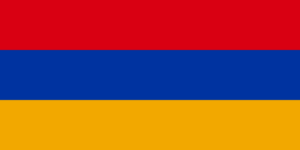
| Capital city:
Yerevan (1.1 million) |
| Biggest city:
Yerevan |
| Population:
Approximately 3.1 million people |
| Land area:
29,743 km² |
| Official language(s):
Armenian |
| Predominant religion:
Predominantly Christianity (mainly Armenian Apostolic Church) |
| Regime:
Parliamentary republic Participation in international organisations: |
| Commonwealth of Independent States (CIS) |
| Participation in the Eurovision Song Contest: |
| Since 2006
Highest place: 4th place (2008) – Qélé, Qélé by Sirusho |
| Must-try food:
Khorovats – a traditional Armenian barbecue featuring succulent grilled meat, often cooked over an open flame and enjoyed at family gatherings. |
| Official/Flag carrier airline:
Armenian Airlines Currency: Armenian dram (AMD) £1 = 530 AMD |
| Fun fact: |
Armenia was the first country to adopt Christianity as a state religion (AD 301).
Azerbaijan: The Republic of Oil and Gas
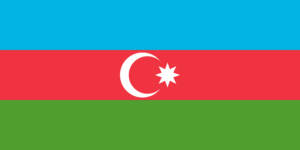
| Capital city:
Baku (2.3 million) |
| Biggest city:
Baku |
| Population:
Approximately 10.4 million people |
| Land area:
86,600 km² |
| Official language(s):
Azerbaijani |
| Predominant religion:
Predominantly Islam (mostly Shia, with a significant Sunni minority) |
| Regime:
Presidential republic Participation in international organisations: |
| – |
| Participation in the Eurovision Song Contest: |
| Since 2008
Highest place: Winner (2011) – Running Scared by Ell & Nikki |
| Must-try food:
Plov – a fragrant rice dish cooked with meat, carrots, onions, and aromatic spices, popular across the Caucasus and Central Asia. |
| Official/Flag carrier airline:
Azerbaijan Airlines Currency: Azerbaijani manat (AZN) £1 = 2.3 AZN |
| Fun fact: |
Baku is known as the “City of Winds” due to its strong Caspian breezes.
Georgia: The Republic of Thorned Roses
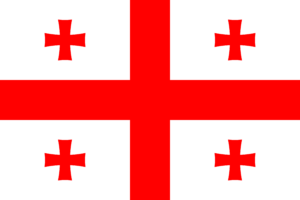
| Capital city:
Tbilisi (1.2 million) |
| Biggest city:
Tbilisi |
| Population:
Approximately 3.7 million people |
| Land area:
69,700 km² |
| Official language(s):
Georgian |
| Predominant religion:
Predominantly Eastern Orthodox Christianity |
| Regime:
Parliamentary republic Participation in international organisations: |
| Former member of the Commonwealth of Independent States (CIS) – withdrew in 2009 |
| Participation in the Eurovision Song Contest: |
| Since 2007
Highest place: 9th place (2010) – Shine by Sofia Nizharadze |
| Must-try food:
Khachapuri – Georgia’s iconic bread filled with melted cheese, with many delicious regional variations. |
| Official/Flag carrier airline:
Georgian Airways Currency: Georgian lari (GEL) £1 = 3.7 GEL |
| Fun facts: |
Georgia is widely regarded as one of the birthplaces of wine-making, with an 8,000-year tradition.
This year, figure skater Nika Egadze became Georgia’s first-ever European champion in men’s singles, whereas Anastasiia Metelkina and Luka Berulava won the gold medal in the pairs.
Kazakhstan (also spelled Qazaqstan): The Republic of Compromise
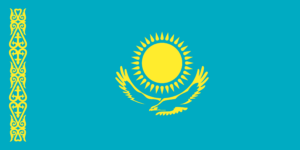
| Capital city:
Astana (1.5 million) |
| Biggest city:
Almaty (2.35 million) |
| Population:
Approximately 20.5 million people |
| Land area:
2,724,900 km² |
| Official language(s):
Kazakh, Russian |
| Predominant religion:
Predominantly Islam (Sunni), with a sizeable Christian minority |
| Regime:
Presidential republic Participation in international organisations: |
| Commonwealth of Independent States (CIS) |
| Participation in the Eurovision Song Contest: |
| Has never participated |
| Must-try food:
Beshbarmak – a hearty Central Asian dish of boiled meat served over broad noodles, traditionally eaten by hand. |
| Official/Flag carrier airline:
Air Astana Currency: Kazakhstani tenge (KZT) £1 = 700 KZT |
| Fun facts: |
Kazakhstan is the world’s largest landlocked country.
This year, Mikhail Shaidorov made history by winning Kazakhstan’s first Olympic gold medal in figure skating. Last year, he claimed the men’s singles title in the Four Continents Championships.
Kyrgyzstan: The Republic of Uprisings
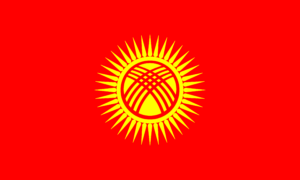
| Capital city:
Bishkek (1.2 million) |
| Biggest city:
Bishkek |
| Population:
Approximately 7.3 million people |
| Land area:
199,951 km² |
| Official language(s):
Kyrgyz, Russian |
| Predominant religion:
Predominantly Islam (Sunni) |
| Regime:
Presidential republic Participation in international organisations: |
| Commonwealth of Independent States (CIS) |
| Participation in the Eurovision Song Contest: |
| Has never participated |
| Must-try food:
Beshbarmak – Kazakhstan and Kyrgyzstan’s national favourite, combining tender meat, noodles, and rich broth for a comforting meal. |
| Official/Flag carrier airline:
Asman Airlines Currency: Kyrgyzstani som (KGS) £1 = 118 KGS |
| Fun fact: |
About 90% of Kyrgyzstan is covered by mountains.
Uzbekistan: The Republic of Islam
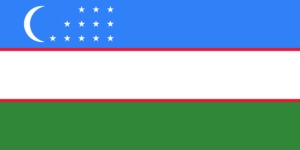
| Capital city:
Tashkent (3.1 million) |
| Biggest city:
Tashkent |
| Population:
Approximately 37.5 million people |
| Land area:
448,978 km² |
| Official language(s):
Uzbek |
| Predominant religion:
Predominantly Islam (Sunni) |
| Regime:
Presidential republic Participation in international organisations: |
| Commonwealth of Independent States (CIS) |
| Participation in the Eurovision Song Contest: |
| Has never participated |
| Must-try food:
Palov – Uzbekistan’s signature rice pilaf, cooked with lamb or beef, carrots, onions, and fragrant spices for a richly satisfying dish. |
| Official/Flag carrier airline:
Uzbekistan Airways Currency: Uzbekistani soʻm (UZS) £1 = 17,300 UZS |
| Fun facts: |
Samarkand was one of the great crossroads of the ancient Silk Road. Located in southeastern Uzbekistan, it is one of the oldest continuously inhabited cities in Central Asia and a UNESCO World Heritage site renowned for its stunning Islamic architecture, gleaming turquoise domes, and monumental squares.
Uzbekistan is one of the two double-landlocked countries in the world. The other one is Liechtenstein in Europe. This means that every single one of their neighbors is also landlocked, requiring at least two border crossings to reach the ocean.
Tajikistan: The Republic of Emigration
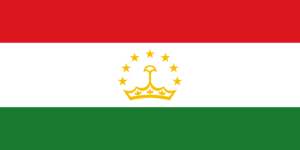
| Capital city:
Dushanbe (1.3 million) |
| Biggest city:
Dushanbe |
| Population:
Approximately 10.7 million people |
| Land area:
143,100 km² |
| Official language(s):
Tajik |
| Predominant religion:
Predominantly Islam (Sunni) |
| Regime:
Presidential republic Participation in international organisations: |
| Commonwealth of Independent States (CIS) |
| Participation in the Eurovision Song Contest: |
| Has never participated |
| Must-try food:
Qurutob – a traditional Tajik meal of torn flatbread soaked in yoghurt sauce and topped with onions and fresh herbs. |
| Official/Flag carrier airline:
Somon Air Currency: Tajikistani somoni (TJS) £1 = 14 TJS |
| Fun fact: |
Nearly all of Tajikistan’s electricity comes from hydropower.
Turkmenistan: The Republic of the Great Leader
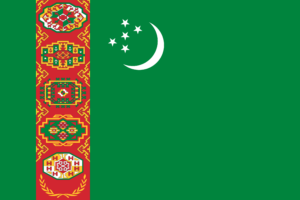
| Capital city:
Ashgabat (1 million) |
| Biggest city:
Ashgabat |
| Population:
Approximately 7.1 million people |
| Land area:
488,100 km² |
| Official language(s):
Turkmen |
| Predominant religion:
Predominantly Islam (Sunni) |
| Regime:
Presidential republic Participation in international organisations: |
| Associate member of the Commonwealth of Independent States (CIS) |
| Participation in the Eurovision Song Contest: |
| Has never participated |
| Must-try food:
Ichlekli – a flaky pastry filled with seasoned meat and onions, baked until golden and crisp. |
| Official/Flag carrier airline:
Turkmenistan Airlines Currency: Turkmen manat (TMT) £1 = 4.6 TMT |
| Fun fact: |
The country is home to the “Door to Hell,” a natural gas crater that has burned for decades.
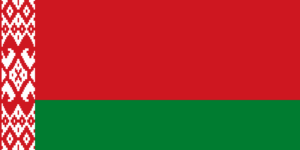
Belarus: The Remainer Republic
| Capital city:
Minsk (2 million) |
| Biggest city:
Minsk |
| Population:
Approximately 9.1 million people |
| Land area:
207,600 km² |
| Official language(s):
Belarusian, Russian |
| Predominant religion:
Predominantly Eastern Orthodox Christianity |
| Regime:
Presidential republic Participation in international organisations: |
| Commonwealth of Independent States (CIS) |
| Participation in the Eurovision Song Contest: |
| 2004–2021 (currently not participating)
Highest place: 6th place (2007) – Work Your Magic by Dmitry Koldun |
| Must-try food:
Draniki – crispy Belarusian potato pancakes, typically served with sour cream or savoury toppings. |
| Official/Flag carrier airline:
Belavia Currency: Belarusian ruble (BYN) £1 = 4.4 BYN |
| Fun fact: |
Over 40% of the country is covered by forests.
The Baltic States: The Straight-A Republics
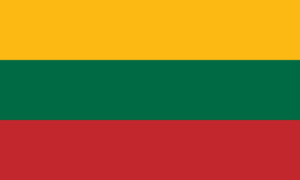
Lithuania
| Capital city:
Vilnius (610,000) |
| Biggest city:
Vilnius |
| Population:
Approximately 2.9 million people |
| Land area:
65,300 km² |
| Official language(s):
Lithuanian |
| Predominant religion:
Predominantly Roman Catholic |
| Regime:
Parliamentary republic Participation in international organisations: |
| NATO
European Union |
| Participation in the Eurovision Song Contest: |
| Since 1994
Highest place: 6th place (2006) – We Are the Winners by LT United |
| Must-try food:
Cepelinai – Lithuanian potato dumplings stuffed with meat or cheese and topped with sour cream and bacon sauce. |
| Official/Flag carrier airline:
No designated flag carrier (formerly FlyLAL); the country relies on various commercial airlines Currency: Euro (EUR) £1 = 1.17 EUR |
| Fun fact: |
Lithuania was the last pagan nation in Europe to officially convert to Christianity.
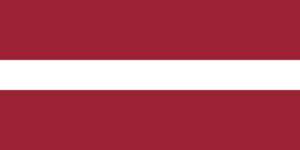
Latvia
| Capital city:
Riga (605,000) |
| Biggest city:
Riga |
| Population:
Approximately 1.9 million people |
| Land area:
64,589 km² |
| Official language(s):
Latvian |
| Predominant religion:
Mixed: Christianity (Lutheran, Catholic, Orthodox) and a large non-religious population |
| Regime:
Parliamentary republic Participation in international organisations: |
| NATO
European Union |
| Participation in the Eurovision Song Contest: |
| Since 2000
Highest place: Winner (2002) – I Wanna by Marie N |
| Must-try food:
Grey peas with bacon – Latvia’s classic comfort food, pairing earthy grey peas with crispy bacon and onions. |
| Official/Flag carrier airline:
airBaltic Currency: Euro (EUR) £1 = 1.17 EUR |
| Fun fact: |
Latvia’s flag is among the oldest national flags still in use.
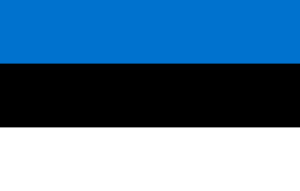
Estonia
| Capital city:
Tallinn (460,000) – Among the 15 former USSR republics, Tallinn is the smallest capital by population. |
| Biggest city:
Tallinn |
| Population:
Approximately 1.4 million people |
| Land area:
45,339 km² |
| Official language(s):
Estonian |
| Predominant religion:
Largely secular; Christianity (mainly Lutheran and Orthodox) is the largest religion |
| Regime:
Parliamentary republic Participation in international organisations: |
| NATO
European Union |
| Participation in the Eurovision Song Contest: |
| Since 1994
Highest place: Winner (2001) – Everybody by Tanel Padar, Dave Benton & 2XL |
| Must-try food:
Verivorst – an Estonian blood sausage traditionally eaten during the winter holidays with lingonberry jam and potatoes. |
| Official/Flag carrier airline:
Nordica Currency: Euro (EUR) £1 = 1.17 EUR |
| Fun facts: |
Estonia pioneered nationwide internet voting in elections.
The 2025 European Figure Skating Championships were held in Tallinn, with standout a victory by home skater Niina Petrõkina. This year, she claimed the women’s singles title for a second year in a row.
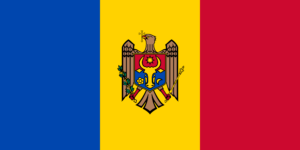
Moldova: The Republic of Reunions
| Capital city:
Chișinău (640,000) |
| Biggest city:
Chișinău |
| Population:
Approximately 2.4 million people |
| Land area:
33,846 km² |
| Official language(s):
Romanian |
| Predominant religion:
Predominantly Eastern Orthodox Christianity |
| Regime:
Parliamentary republic Participation in international organisations: |
| Former member of the Commonwealth of Independent States (CIS) |
| Participation in the Eurovision Song Contest: |
| Since 2005
Highest place: 3rd place (2017) – Hey, Mamma! by SunStroke Project |
| Must-try food:
Mămăligă – a Moldovan staple made from cornmeal, often served alongside cheese, sour cream, or stews. |
| Official/Flag carrier airline:
HiSky Currency: Moldovan leu (MDL) £1 = 23 MDL |
| Fun fact: |
| Moldova is home to one of the world’s largest underground wine cellars. |
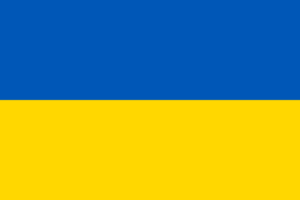
Ukraine: The Republic of Resistance
| Capital city:
Kiyv (about 3.0 million – wartime estimates vary) |
| Biggest city:
Kiyv |
| Population:
Approximately 37 million (estimate, affected by the war and migration) |
| Land area:
603,628 km² |
| Official language(s):
Ukrainian |
| Predominant religion:
Predominantly Eastern Orthodox Christianity |
| Regime:
Semi-presidential republic (under martial law due to the ongoing war) Participation in international organisations: |
| Former member of the Commonwealth of Independent States (CIS) |
| Participation in the Eurovision Song Contest: |
| Since 2003
Winner three times: 2004 – Wild Dances by Ruslana; 2016 – 1944 by Jamala (one of my favorite Eurovision songs); 2022 – Stefania by Kalush Orchestra |
| Must-try food:
Varenyky – soft Ukrainian dumplings stuffed with ingredients such as potato, cheese, mushrooms, or cherries. |
| Official/Flag carrier airline:
Ukraine International Airlines Currency: Ukrainian hryvnia (UAH) £1 = 57 UAH |
| Fun fact: |
| Ukraine is often called one of Europe’s breadbaskets because of its fertile black soil. |
A few more fun facts – World Cup
The Soviet Union qualified for seven World Cup tournaments between 1958 and 1990, with their best result being a fourth-place finish in 1966. However, they did find major success on the continental stage, winning the inaugural European Championship (UEFA Euro) in 1960.
Of the 15 republics that emerged following the dissolution of the USSR in 1991, only three have qualified for the FIFA World Cup as independent nations. Russia has made the tournament four times, appearing in 1994, 2002, 2014 and 2018, while Ukraine and Uzbekistan have each qualified once, in 2006 and 2026 respectively.
By qualifying for the 2026 FIFA World Cup, Uzbekistan made history as the first Central Asian nation ever to reach football’s biggest international tournament.
Further reading about the USSR
If you want to read more about the USSR, check out the book: “The Soviet Union: A Very Short Introduction” by Stephen Lovell.
Alex
(the Traveling Psychiatrist)