Island-hopping in the Philippines
The Philippines is made up of 7,641 islands; of these, only around 2,000 are inhabited. Interestingly, it has the seventh-highest number of islands in the world, after Sweden, Finland, Norway, Canada, Indonesia, and Australia. The country has an area of approximately 300,000 square kilometres and a population of around 117.7 million people. It ranks as the 14th most populous country globally.
Before my three-week trip to the Philippines earlier this year, I had no idea about these facts, and I couldn’t name a single island.
In this post, I’m not going to share the exact itinerary that I followed; instead, I’m going to describe the one I would have followed had I known a little better (and I will explain why).
Day 0 – Arrival in the Philippines
Direct flights from Europe to the Philippines are limited, with most routes connecting via the Middle East or Southeast/East Asia. I personally flew via Dubai, only a few days before the airspace closed and flights were cancelled.
Having left London at midday, I landed in Cebu City in the afternoon of the following day (there is an eight-hour time difference between the UK and the Philippines). In other words, if you depart from Europe on a Saturday, you will arrive in the Philippines (Cebu or Manila) on Sunday.
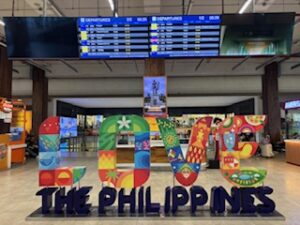
Known as the “Queen City of the South,” Cebu City is located on the island of Cebu Island. It is the second-largest urban area after Metro Manila and features the busiest domestic port, as well as a major international airport, Mactan–Cebu International Airport. I stayed as close to the airport as I could find (see hotel recommendations at the end of the post), as the following day I had a very early flight to Busuanga Island.
Days 1 & 2 – Coron Town (Busuanga Island)
The flight from Cebu to Busuanga Island takes about an hour. The flight from Manila is slightly longer. I would not recommend taking the earliest flight, as there are not many things to do in Coron Town, where I stayed.
Busuanga is the largest island in the Calamian archipelago of Northern Palawan and is home to Coron Town. The latter is a 30-minute drive from the airport. Although Coron Town is not particularly attractive, it is the gateway to day boat trips and expeditions to nearby islands.
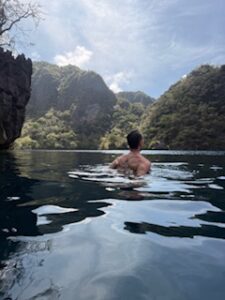
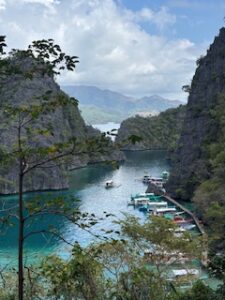
After settling in, I would recommend booking a day boat trip for the following day (Day 2). I booked the Coron Super Ultimate Tour, an eight-hour island-hopping boat trip. Among the places we visited were Kayangan Lake (a crystal-clear lake surrounded by limestone cliffs), Twin Lagoon (a swimming spot where warm and cold water meets), Coral Garden (a snorkelling spot where you can see vibrant corals and a shallow WWII wreck), and Barracuda Lake. The tour generally costs around 1,600 pesos (£20) and includes a traditional Filipino lunch on the beach.
Filipino restaurants are not as common in Coron Town (as in any of the other islands I visited). That said, you don’t need to look any further than Red Rock Restaurant, which I liked so much that I visited twice. They serve three to four dishes, all home-cooked and delicious. Each time, I paid less than 250 pesos (£3) for two servings and a beer. Also located in Coron Town, PoB Café (Point of Brew) is a nice café overlooking the bay, a perfect spot to have a drink and watch the sunset.
Days 3–5 – Expedition from Coron Town to El Nido
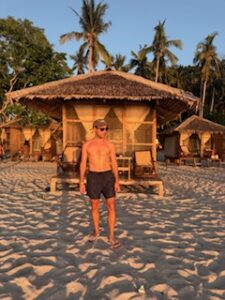
The ferry from Coron Town to El Nido takes approximately 3.5 hours. However, for a truly memorable experience, I would recommend a three-day (two-night) expedition instead. These expeditions generally traverse the Linapacan Islands and Culion Island, offering opportunities to snorkel in coral reefs, hike to viewpoints, and visit deserted beaches. Packages are generally all-inclusive, covering traditional Filipino meals (often prepared by an onboard chef), drinks (water, coffee, tea, soft drinks, and alcohol), snorkelling gear, and accommodation — beach huts without Wi-Fi. The one I booked cost 18,000 pesos (about £230). There were about two dozen people on board (staff excluded), all from Europe (most from the UK), and by the end of the expedition I had become friends with most (OK, some) of them.
Days 6 & 7 – El Nido
Located at the northern tip of Palawan, El Nido looked prettier to me (as well as more touristy) than Coron Town. Unlike the latter, El Nido is home to many nice places for brunch and dinner. This is the main reason why I would suggest starting your island-hopping from Busuanga rather than the other way round.
For dinner, I would recommend Ugat — Filipino with a modern twist. Overlooking the harbour, Hama Coffee is a nice place for breakfast or brunch. They serve both Western and Filipino dishes.
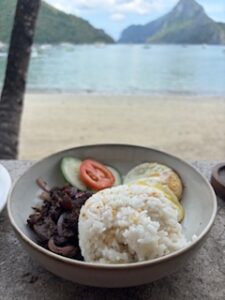
On Day 6, I would recommend visiting one of the nearby beaches (easily done either by tricycle or motorbike). I visited Nacpan Beach, a 4 km stretch about half an hour from El Nido. Another option is Duli Beach, a quieter, more secluded beach popular for surfing, located further north. There are also beaches for windsurfing and kitesurfing.
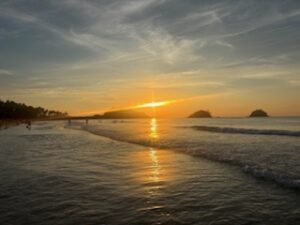
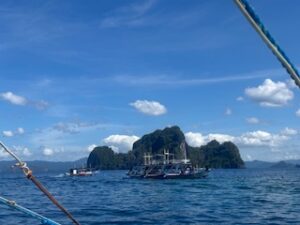
On Day 7, I would recommend a day boat trip to the nearby islands. I booked Tour A, which offers the opportunity for kayaking and snorkelling in dramatic limestone scenery. Highlights include Big Lagoon (famous for its towering limestone cliffs and crystal-clear green water), Secret Lagoon (hidden behind limestone rocks and accessible through a small, narrow entrance), Shimizu Island, and Seven Commandos Beach. This seven-hour tour generally costs around 1,200 pesos and includes lunch on a beach at Shimizu Island.
Days 8–16 – Siargao (+/- Siquijor)
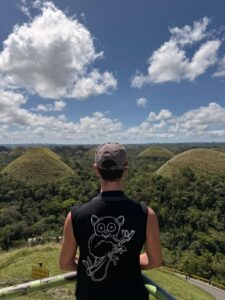
From El Nido, I flew back to Cebu and then took a boat to Bohol (a two-hour trip), one of the most popular islands to visit in the Philippines. Bohol is world-renowned for its natural wonders, most notably the Chocolate Hills (over 1,200 symmetrical, cone-shaped hills that turn brown in the dry season), the Philippine tarsier (one of the world’s smallest primates), and the diving spots and white-sand beaches on Panglao Island. The latter is connected to Bohol via a bridge. It is where I stayed and also where the airport is located.
That said, I would recommend skipping Bohol and going straight to Siargao instead (a one-hour flight from Cebu).
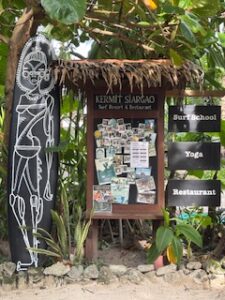
Siargao is world-renowned as the surfing capital of the Philippines, highlighted by the famous Cloud 9 wave. This is the main reason why I decided to spend more than a week there. That said, I did not surf at Cloud 9, but at Paradise and Talisay. Siargao is also famous for its laid-back island vibe, with trendy cafés and restaurants along the main tourist road in General Luna, and plenty of yoga shalas (such as those at Kermit and Buddha resorts).
For café and restaurant recommendations in Siargao, as well as further practical tips, check out my post “#EatSurfCoffeeRepeat in Siargao“, published on 25 April.
If you want to take a break from surfing, there are island-hopping tours that allow you to visit Naked Island, Daku Island, and Guyam Island. I personally preferred to surf every day instead.
When to visit Siargao
The monsoon season in Siargao, driven by the Northeast Monsoon (Amihan), generally lasts from November to February, bringing heavy rainfall, winds, and a higher likelihood of storms, particularly in December and January. Flights are often cancelled “due to weather disruptions and safety constraints.” This is the main reason I recommend not leaving Siargao for last (as I did).
October is a transition month with increasing rain, while the peak dry/surfing season runs from March to September.
Siquijor
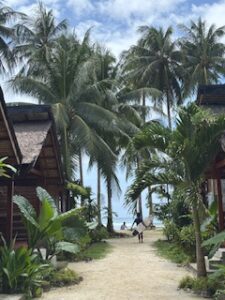
If you’re not too keen on surfing, you could also include Siquijor in your itinerary. I personally did not go to Siquijor, but I heard a lot of praise for it. It is known as the “Mystic Island” and is famous for its reputation for witchcraft, traditional folk healing, and its mystical, enchanting atmosphere. It is a popular tourist destination for its stunning natural spots, including turquoise waterfalls, white-sand beaches, and vibrant marine sanctuaries.
To get to Siquijor, you can take a flight from Cebu, or alternatively take the ferry from Cebu (four hours) or Bohol (two hours). You can also combine Siquijor with Moalboal, which is famous for its year-round sardine run just off Panagsama Beach, as well as sea turtles and vibrant coral reefs. Moalboal is located on the same island (Cebu), several hours south of Cebu City.
Days 17–19 – Boracay
Boracay is a dog-bone-shaped island approximately seven kilometres long, with its narrowest point being less than one kilometre wide. It is located 0.8 kilometres off the northwest corner of Panay Island, the sixth-largest and fourth-most populous island in the Philippines.
To get to Boracay, take a flight to Godofredo P. Ramos Airport (also known as Caticlan Airport). This domestic airport is the fourth-busiest in the Philippines. The port is very close to the airport, and from there Boracay is just five minutes by boat.
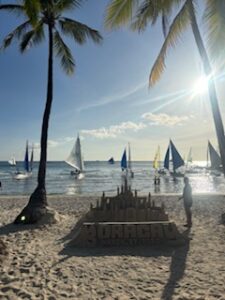
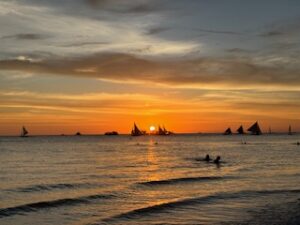
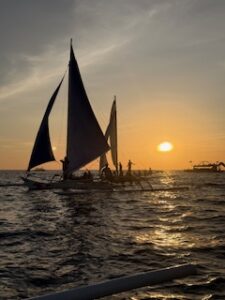
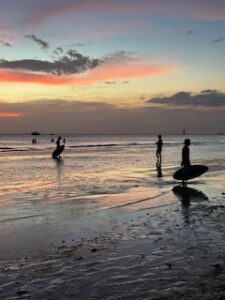
>Boracay is world-renowned for its powdery white sand beaches — particularly the 4 km White Beach — as well as its spectacular sunsets and water sports (such as windsurfing and kitesurfing). Paraw sailing is a must-do activity in Boracay. Best experienced in the evening before sunset, a 30-minute ride on these traditional wind-powered, double-outrigger boats costs about 750 pesos per person (around £10).
While in Boracay, I also booked an island-hopping tour to nearby islands, but I did not enjoy it as much as those in Coron and El Nido.
Unsurprisingly, this tiny island is frequently ranked among the world’s best. Following a six-month rehabilitation in 2018, Boracay now enforces strict rules, including a ban on beach parties, beach vendors, and bonfires, to protect its natural beauty.
Where (and what) to eat (and drink) in Boracay
Apart from paraw sailing, what I really enjoyed in Boracay was relaxing at the beachside cafés and bars along White Beach and trying delicious desserts.
For breakfast or brunch, I would recommend the Sunny Side Café — try the bacon and mango grilled cheese sandwich and the ube-stuffed French toast. Smooth is another favourite seaside café/bar. I went there twice: once for breakfast and once in the late afternoon, staying until sunset. It has a very cool vibe, with a saxophone player in the morning and a DJ in the afternoon.
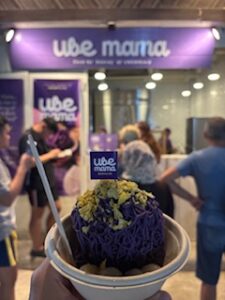
Ube Mama is another must-try. It is a takeaway spot where you can get a single dessert — essentially a bowl with two scoops of ice cream (ube and corn; you can choose either or both — I chose both). The bowl also includes a variety of toppings and is quite filling overall. Highly recommended. Mango Mama and Coco Mama follow a similar concept — if you have time, try them all and decide which one you like best.
Day 20 – Manila and departure from the Philippines
All good things come to an end. On Day 20, take the boat back to Panay and fly to Manila. Most international westbound flights depart in the evening, arriving in Europe the following morning.
I personally had about six hours to spare in the capital and chose to visit Intramuros and Makati. To get around more quickly, I used Grab. Each taxi ride took around half an hour and cost approximately 500 pesos (£6).
Intramuros
Intramuros is the historic heart of Manila, a walled city built during the Spanish colonial period. Walking through its cobblestone streets feels like stepping back in time, with centuries-old churches, fortifications, and quiet courtyards tucked behind its thick stone walls. Despite the bustle of modern Manila just outside, Intramuros retains a sense of calm and history, offering a glimpse into the city’s colonial past.
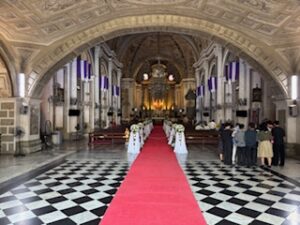
Within Intramuros, you’ll find some of the most historic and beautiful churches in the Philippines, each reflecting the country’s deep Spanish colonial heritage.
• San Agustin Church – The oldest stone church in the Philippines and a UNESCO World Heritage Site. Its Baroque architecture, intricately painted ceilings, and peaceful cloisters make it a must-visit.
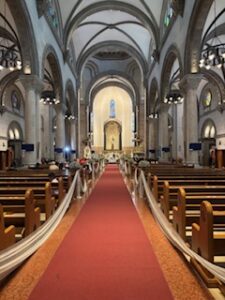
• Manila Cathedral – Officially known as the Minor Basilica and Metropolitan Cathedral of the Immaculate Conception, this grand church features a striking façade, beautiful stained glass, and a serene interior.
Fort Santiago
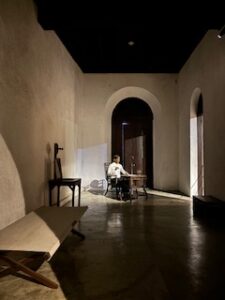
Also within Intramuros, Fort Santiago stands as one of the most significant historical sites in the city — a Spanish-era citadel that once served as a military stronghold and later a prison. It is most closely associated with José Rizal, the Philippines’ national hero, who was held here before his execution. Visit the Rizal Shrine (also known as the José Rizal Museum), for a more intimate look at his life, with preserved personal belongings, manuscripts, and memorabilia that bring his story — and the country’s struggle for independence — vividly to life. Entry to Fort Santiago costs 75 pesos (1 pound).
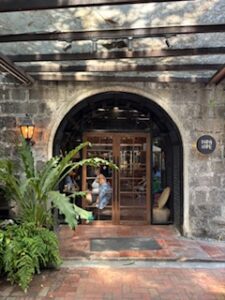
Papacape is a hidden gem tucked inside Fort Santiago. This café feels like a quiet oasis—cozy interiors, charming outdoor corners, and even a couple of sleepy cats lounging under the tables. I tried the black gulaman americano and it’s an absolute must. Refreshing, unique, and perfect for a slow afternoon.
Makati City
One of the city’s hippest neighborhoods, Makati City is the financial and commercial heart of Metro Manila, a sleek contrast to the historic charm of Intramuros. Known for its modern skyline, upscale malls, and vibrant dining scene, Makati offers a more cosmopolitan side of the city. By day, it’s all business and glass towers; by night, areas like Poblacion come alive with bars, restaurants, and a lively, creative energy that draws both locals and visitors alike.
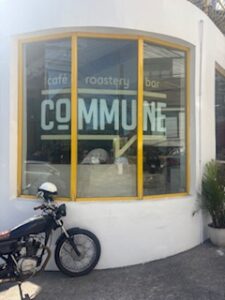
Commune Café + Bar + Roastery is a fantastic café where I stopped by for lunch. I had a ham & cheese toast paired with an iced buko pandan latte—such a fun and refreshing combo. They’ve got two resident cats too, though they were MIA during my visit.
Where to stay in the Philippines
Cebu
I stayed at Waterfront Airport Hotel and Casino, opposite Terminal 1 (domestic flights). Terminal 2 (international flights) is only a couple of minutes away. The location of the hotel, as well as its large outdoor pool, were the main reasons why I chose it for myself (and why I would also recommend it).
Coron Town
I stayed at Asia Grand View Hotel, about 10-15 minute walk from the centre of Coron Town. Out of all the hotels I stayed in the Philippines, this was the only hotel where I had breakfast included.
El Nido
In El Nido, I stayed in the centre, and I would recommend you do the same. That said, I would not recommend the hotel I chose.
Siargao
In Siargao, I stayed in two hotels, first at Vivo Inn, in General Luna (closer to Cloud 9 than Paradise), and then at Ferra Resort in Malinao (between General Luna and Paradise/Talisay). I enjoyed both hotels and I would recommend them both. Vivo Inn is more centrally located, whereas Ferra Resort is more upscale, but not in town. Both have outdoor pools, with the one at Ferra Resort being larger than the pool at Vivo Inn.
Boracay
Unlike many other islands in the Philippines, Boracay is home to a variety of nice hotels. I stayed at the Ferra Premier. Next to it, there is the Ferra Hotel and Garden Suites. The former has a pool on the ground floor, whereas the latter has a larger, rooftop pool. I used both.
When to visit the Philippines
When planning a trip to the Philippines, it is important to consider the Monsoon Seasons. Southwest Monsoon (Habagat) typically lasts from June to October. This season is characterized by hot, humid weather with heavy rainfall and frequent typhoons, particularly affecting the western part of the country. On the other hand, Northeast Monsoon (Amihan) typically occurs from November to March. It is characterized by cool, dry air from Siberia and China, bringing lower temperatures (known as “sweater weather”) and moderate rain, particularly on the eastern side of the country.
Further reading
To better prepare for my trip, I used the Lonely Planet Philippines Travel Guide.
Alex
(the Traveling Psychiatrist)