Naoshima: Japan’s island of art
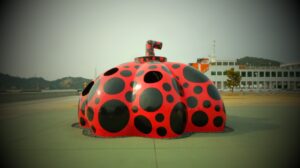
Naoshima, a small island in Japan’s Seto Inland Sea (Kagawa Prefecture), is today synonymous with contemporary art and bold architecture. Once a quiet fishing community, it has been transformed into a cultural pilgrimage site, home to museums designed by Tadao Ando and outdoor works by world-renowned artists. Yayoi Kusama’s iconic polka-dotted pumpkins, set against sea and sky, have become its unofficial symbols—art and nature merging into one.
A Day of Museum-Hopping in Naoshima
I devoted a full day to exploring Naoshima’s museums, traveling mostly on foot between sites. Bicycles are a popular option, but note they aren’t permitted within parts of the Benesse Art Site, which can make them impractical for a seamless visit. Of all the museums I visited, the Chichu Art Museum was the only one I booked in advance. Tickets are slightly cheaper online than at the counter, and even the staff encouraged me to purchase them that way.
Chichu Art Museum
The highlight of the island, Chichu Art Museum, is built mostly underground to preserve the surrounding landscape. Inside are permanent installations by Walter De Maria and James Turrell, alongside five of Monet’s luminous Water Lilies. Turrell’s Open Field was unforgettable, an experience of light that demanded both patience and presence. Entry is strictly timed, with only eight people admitted at once. Shoes come off in certain rooms, and photography is prohibited throughout.
Lee Ufan Museum
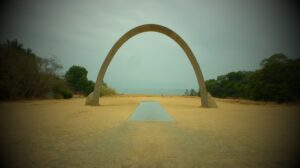
A collaboration between Ando and Korean artist Lee Ufan, this intimate museum blends architecture, painting, and sculpture. Photography is prohibited indoors but welcomed on the grounds, where several striking outdoor works are displayed.
Valley Gallery
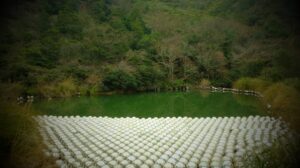
Across from the Lee Ufan Museum, the Valley Gallery houses Tsuyoshi Ozawa’s 88 Slag Buddhas and Kusama’s Narcissus Garden—1,000 mirrored spheres scattered across interior and exterior spaces.
Benesse House
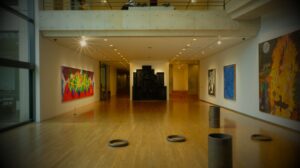
Part museum, part hotel, Benesse House holds works by both Japanese and international artists—Basquiat, Hockney, Shinro Ohtake among them. Of all the spaces I visited, I lingered longest here, taking in both the collection and the surrounding views. Photography is permitted indoors and out.
Hiroshi Sugimoto Gallery: Time Corridor
Sugimoto’s minimalist photographs and installations are shown in yet another Ando-designed building. The gallery includes a tea room, where guests are quietly offered tea and a sweet—an unexpectedly personal touch.
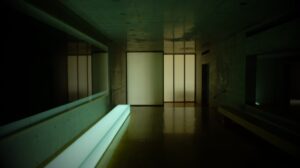
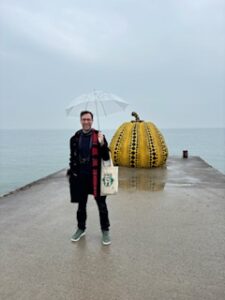
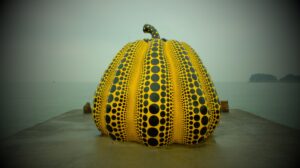
Kusama’s famous yellow pumpkin, perched on a pier near the Hiroshi Sugimoto Gallery, is a pilgrimage in itself.
Art House Project: Minamidera
In Honmura Port, abandoned houses have been transformed into installations by leading artists. At Minamidera, James Turrell immerses visitors in complete darkness, slowly opening the senses to perception itself. Visits are timed, devices are switched off, and silence is part of the art.
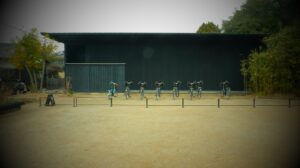
Ando Museum
Also in Honmura, this small museum showcases the architect’s work. For me, it was the least compelling of Naoshima’s offerings, though completists may still enjoy a stop.
Ring of Fire: Solar (Haegue) Yang & Lunar (Apichatpong) Weerasethakul
A newer installation, Ring of Fire is best experienced after dark. Limited tickets must be booked in advance, and visitor numbers are tightly controlled, but the result—a play of light, sound, and shadow—is mesmerizing.
Naoshima New Museum of Art
Opened in spring 2025, after my visit, the New Museum adds Takashi Murakami to the island’s roster. Designed, again, by Ando, it sits on a hill near Honmura Port.
Other Highlights in Naoshima
I♥︎Yu Bathhouse
At Miyanoura Port, Shinro Ohtake’s I♥︎Yu is equal parts public bath and playful installation. Imagine soaking beneath a full-sized elephant sculpture that towers between men’s and women’s sides. Unsurprisingly, photography is prohibited indoors
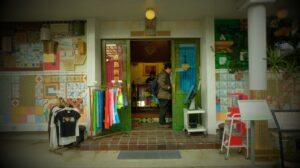
Practical information about Naoshima
Where to Eat in Naoshima
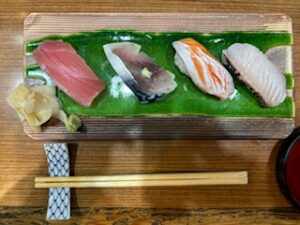
I dined at New Olympia in Miyanoura Port, ordering the set course of sushi, sashimi, and grilled fish, washed down with a yuzu sour. Arriving early paid off—by the time I left, the restaurant was fully booked. Dinner cost 5,800 yen (about £31).
Where to Stay in Naoshima
I chose MY LODGE Naoshima, a cat-friendly hotel within walking distance of Miyanoura Port, Benesse House, and Chichu. For a first visit, I’d recommend staying at least two nights to fully explore Naoshima and, if time allows, visit neighboring Teshima.

Getting to Naoshima
Naoshima is accessible via train to Okayama, bus to Uno Port (about an hour), and ferry (20 minutes). Kusama’s red polka-dotted pumpkin at Miyanoura Port greets visitors on arrival—an unmistakable welcome to Japan’s “art island.”
Further reading
To prepare for my trip, I used the Lonely Planet Japan Travel Guide. I recommend it especially if this is also your first time in Japan.
Alex
(the Traveling Psychiatrist)