Japan trip: Kanazawa and Shirakawa-go
Earlier this year, I set off to Japan, a journey that took me to many remarkable places. Among them were Kanazawa, the elegant capital of Ishikawa Prefecture, and Shirakawa-go, a storybook village tucked away in the mountains of Gifu Prefecture.
Kanazawa
Kanazawa, perched on Japan’s central Honshu coast, is a city where history lingers in every corner. Known for its beautifully preserved Edo-period districts, exquisite traditional crafts, and one of the country’s most celebrated gardens, it offers visitors a glimpse into Japan’s cultural heart. Unlike many other Japanese cities, Kanazawa was spared from World War II bombings, a twist of fate that allowed its historic architecture and timeless charm to remain intact.
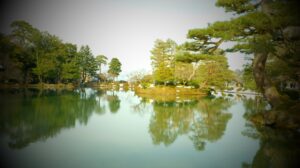
At the heart of Kanazawa lies Kenrokuen, celebrated as one of the “three great gardens of Japan.” Its landscapes shift beautifully with the seasons—delicate plum and cherry blossoms in spring, lush greenery in summer, fiery maples in autumn, and the poetic yukitsuri (snow ropes) in winter.
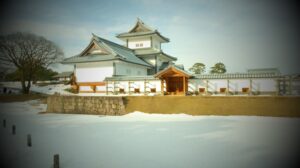
Just across from the garden stands Kanazawa Castle, originally built in the 1580s after the fall of the Peasant’s Kingdom—Japan’s only Buddhist fiefdom. The sprawling castle grounds and reconstructed gates recall centuries of samurai rule.
On Saturday evenings, both Kenrokuen and Kanazawa Castle Park are bathed in soft illumination, transforming the sites into a magical nightscape. Admission during these light-up events is free, making them a highlight for both locals and visitors.
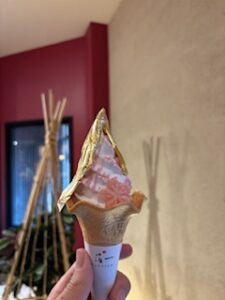
The name Kanazawa translates to “marsh of gold,” a nod to the city’s centuries-old association with the precious metal. Today, gold leaf—Kanazawa-haku—remains one of its signature crafts, painstakingly beaten into delicate, paper-thin sheets. You’ll see it shimmering in temples, lacquerware, and souvenirs, but also in the most unexpected places: sprinkled into cosmetics, floating in sake, and even topping desserts. I tried it the indulgent way—glittering on a cone of soft-serve ice cream.
Where to eat and drink in Kanazawa
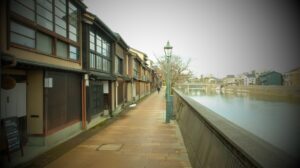
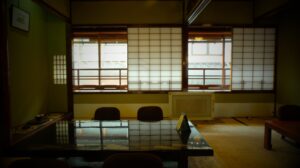
As soon as I arrived in Kanazawa, I strolled along the riverside toward the historic Higashi Chaya district. On the way, I discovered Tsuchiya Café, a charming traditional spot with windows opening onto the water. I ordered a coffee, while my friend chose amazake—a gently sweet, velvety drink made from fermented rice, often referred to as “sweet sake,” though it contains little to no alcohol.
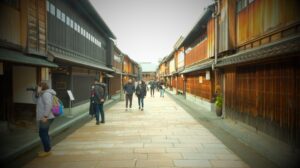
From there, I wandered into the Hakuichi Higashiyama Store, where I couldn’t resist trying an ice cream topped with delicate gold leaf—a Kanazawa specialty that sparkles as much as it melts. The shop sits in the heart of the Higashi Chaya district, a picturesque quarter of narrow lanes, wooden facades, and traditional teahouses that once hosted geisha performances.
Later, I paused for another coffee at Moron Café, a sleek, modern spot tucked into the Nagamachi Samurai District. This historic neighbourhood, with its narrow lanes and preserved samurai residences, lies just a short stroll from Kanazawa Castle, blending the city’s storied past with a contemporary coffee culture.

For lunch, I recommend Omicho Market, a bustling covered market where traditional restaurants sit alongside stalls brimming with fresh seafood, local produce, and artisanal goods. The lively atmosphere, fragrant aromas, and colorful displays make it the perfect place to sample Kanazawa’s culinary delights.
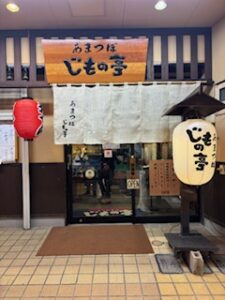
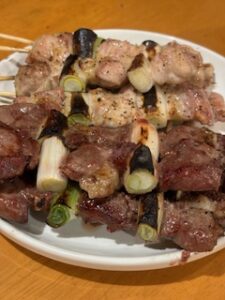
Last, but not least, I ended the day with dinner at たかた森山, a cozy yakitori restaurant located near my accommodation, a little way from the city centre. The staff at my lodging had highly recommended it, and it did not disappoint, offering perfectly grilled skewers and an intimate, welcoming atmosphere.
Where to stay in Kanazawa
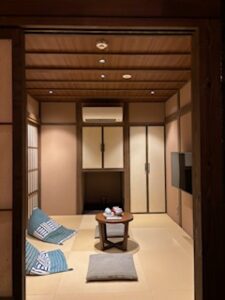
I stayed at Kagabi Machiya House, a traditional Japanese home thoughtfully converted into hotel-style accommodation. While it isn’t right in the heart of Kanazawa, the city centre is still easily reachable on foot, making it a peaceful base for exploring.
How long to stay in Kanazawa
Although I only spent one night in Kanazawa, I would recommend staying for at least two. With a full day, you could easily fit in a day trip to Shirakawa-go, the picturesque mountain village nearby.
How to get to Kanazawa
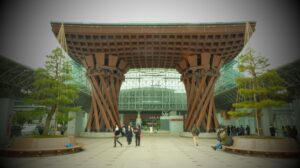
From Tokyo, catch the Shinkansen to Kanazawa—a journey of about two and a half hours. From Kyoto or Osaka, travel time is slightly shorter: roughly two hours from Kyoto and just over two hours from Osaka. One of my favourite aspects of train travel in Japan is picking up an ekiben—a bento box meal—at the station and enjoying it on the train. I was particularly charmed by the train-shaped ekiben, a playful nod to the journey itself.
Shirakawa-go
From Kanazawa, a day trip to Shirakawa-go is highly recommended. Nestled in the mountains of Gifu Prefecture, it takes about an hour and a half by bus. The village is renowned for its gassho-zukuri farmhouses, their steep thatched roofs ingeniously designed to withstand heavy snowfall. A UNESCO World Heritage Site, Shirakawa-go offers a rare glimpse into rural Japanese life as it existed centuries ago. Framed by scenic landscapes, the village is especially enchanting in winter, when snow blankets the houses, turning the settlement into a storybook scene. Despite its remote location, Shirakawa-go draws visitors year-round, captivated by its unique architecture, tranquil beauty, and preserved cultural heritage.

What to eat in Shirakawa-go
Shirakawa-go is also known for its local delicacies, all available as convenient takeaways. One must-try is gohei mochi—savory rice dumplings skewered and grilled, often coated with a rich miso, walnut, or sesame sauce. Perfect for enjoying while wandering the village streets.
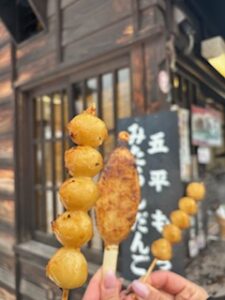
Next, indulge in a Hida Wagyu beef skewer, tender and richly flavored, perfect for a savory snack as you explore.
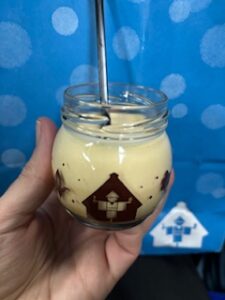
Then, make your way to Shirakawago Purin no Ie—the famed Pudding House. Renowned nationwide for its award-winning puddings, it’s a sweet stop that’s as charming as it is delicious.
Further reading
To prepare for my trip, I used the Lonely Planet Japan Travel Guide. I recommend it especially if this is also your first time in Japan.
For specific recommendations on Osaka and Kyoto, check my posts:
Japan trip: Osaka, Nara, Himeji and Koyasan
9 (+1) things to do and see in Kyoto
Alex
(the Traveling Psychiatrist)