9 (+1) things to do and see in Kyoto
Kyoto, Japan’s former imperial capital for over a millennium (794–1868), is a beautifully preserved cultural centre, home to around 2,000 temples and shrines — including 17 UNESCO World Heritage Sites such as Kinkaku‑ji, Kiyomizu‑dera and Nijo Castle — nestled within a meticulously maintained grid of streets and low-rise wooden architecture. Surrounded by forested hills, the city pulses with traditional arts like tea ceremony, flower arrangement and geisha performances in districts such as Gion. Kyoto’s seasonal beauty is legendary — from cherry-blossom-lined lanes and bamboo groves in spring to vibrant foliage in autumn — offering a timeless window into Japan’s refined aesthetic and “omotenashi” hospitality.

In this post, I recommend activities, a few places to eat and drink in Kyoto, as well as what landmarks you need to visit there.
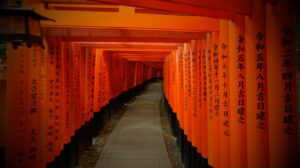
Visit Fushimi Inari Taisha
Iconic Fushimi Inari Taisha is a famous Shinto shrine located in southern Kyoto, in the Fushimi‑ku ward, at the foot of Mount Inari. It is best known for its thousands of vibrant vermilion torii gates that form winding paths up Mount Inari. Each gate is donated by individuals or businesses in gratitude for the blessings received. I recommend going there early in the morning, to avoid the crowds. There is no entrance fee.
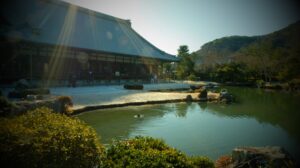
Visit Tenryū-ji and the Arashiyama Bamboo Forest
Tenryū-ji is a historic Zen Buddhist temple, renowned for its stunning landscape garden, designed by the famous monk Musō Soseki, which seamlessly blends with the surrounding mountains. As a UNESCO World Heritage Site, Tenryū-ji is not only a spiritual site but also a masterpiece of Japanese garden design and architecture, reflecting centuries of cultural and religious heritage. To enter the temple and the gardens, you need to pay a small entrance fee. It is located in the scenic Arashiyama district on the western outskirts of Kyoto. Again, I recommend going there early in the morning, so you can take a peaceful walk in the nearby Arashiyama Bamboo Forest.
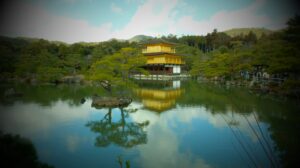
Visit Rokuon-ji (Temple of the Golden Pavilion)
Rokuon-ji, also known as Kinkaku-ji or the Temple of the Golden Pavilion, is one of Kyoto’s most iconic landmarks and quite possibly the temple that I liked the most. The top two floors of the pavilion are covered in gold leaf, creating a striking reflection in the pond that surrounds it. Set within a beautifully landscaped garden, Kinkaku-ji exemplifies the harmony between architecture and nature, making it a popular destination and a UNESCO World Heritage Site. There is a small entrance fee. Rokuon-ji is located in the northwestern part of Kyoto. I visited it mid-morning, after visiting Tenryū-ji and the Arashiyama Bamboo Forest. Despite the fellow visitors, the temple evoked a sense of serene contemplation.
Take a long walk from Ginkaku-ji to Kiyomizu-dera and Higashiyama.
Unlike its counterpart Kinkaku-ji, Ginkaku-ji (also known as the Temple of the Silver Pavilion) was never covered in silver, but its understated elegance reflects the refined aesthetics of the Higashiyama culture, emphasizing simplicity and harmony with nature. The temple is surrounded by a tranquil moss garden and a meticulously raked sand garden, making it a symbol of Japanese wabi-sabi beauty.
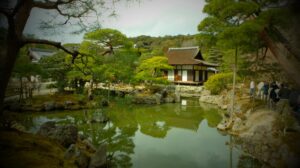
The Philosopher’s Path (Tetsugaku-no-michi) is a charming ~2 km canal-side trail stretching between Ginkaku-ji (also called Jishō-ji – Temple of Shining Mercy) in the north and Nanzen-ji in the south. Since the cherry trees were not in blossom at the time of my visit, the path was devoid of people. From Nanzen-ji, I would recommend continuing to Kiyomizu-dera. This is a historic Buddhist temple located on the foothills of Mount Otowa, offering stunning views of the city below.
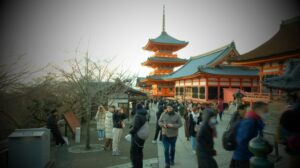
Near Kiyomizu‑dera, you’ll encounter three beautifully preserved, stone‑paved slopes that lead from the temple toward the heart of Higashiyama.
First, descend to Sannenzaka. This is a gently rising, ~100 m long street lined with traditional wooden shops, tea houses, and craft stores—perfect for a nostalgic stroll.
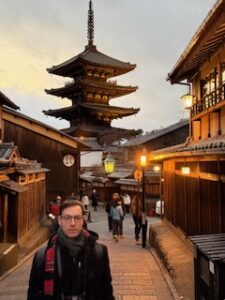
Next, continue onto Ninenzaka, enjoying shops, cafes, and views of the Yasaka pagoda, another iconic location in Kyoto. As expected, it will be packed with people, no matter the time of the year.
Last, branch off onto Ichinenzaka for a quieter detour.
Wander in Gion
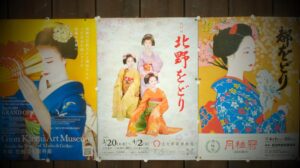
Kiyomizu-dera is within walking distance from Gion, with its preserved wooden teahouses, narrow cobblestone alleys, and graceful atmosphere. It is the most famous geisha district in Kyoto and visitors may glimpse geisha in elegant kimonoon their way to evening engagements, and experience performances of classical dance, music, and tea ceremony. The geisha culture in Kyoto remains one of Japan’s most iconic and refined traditions, offering a rare window into its artistic heritage.
Participate in a tea ceremony
Tea culture in Kyoto is deeply rooted in tradition, reflecting centuries of craftsmanship, mindfulness, and aesthetic appreciation through practices like the Japanese tea ceremony and the cultivation of high-quality Uji matcha.
The Japanese tea ceremony, or chadō, is a serene ritual of preparing and drinking matcha—where every measured movement and simple utensil reflects the ideals of harmony, respect, purity, and tranquillity (wa‑kei‑sei‑jaku)
Jōtoku-ji is a temple renowned for hosting the tea ceremony Ju-An, offering visitors an authentic experience of the Japanese tea ceremony. This ritual, originally developed by Buddhist monks over 500 years ago to assist with meditation, has evolved into a refined cultural practice known as chanoyu.
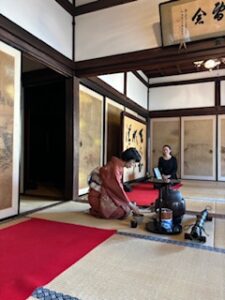
Participants at Jōtoku-ji can engage in a 70-minute immersive session that includes a traditional purification ritual, a guided tour of the temple, and instruction in the meticulous preparation and enjoyment of matcha tea. The ceremony emphasizes mindfulness and tranquillity, reflecting the Zen principles of harmony, respect, purity, and serenity. Our tea master, an elderly lady dressed in a traditional kimono, first meticulously cleaned the utensils, then prepared the tea in a kettle over a charcoal fire, and finally poured the tea into a bowl handed to the first guest on her right. We then took turns repeating the procedure ourselves.
Have lunch at the Nishiki Market
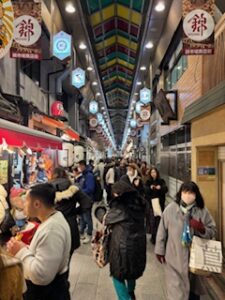
Kyoto’s food markets offer a vibrant and immersive experience into the city’s rich culinary heritage. The most renowned is Nishiki Market, often referred to as “Kyoto’s Kitchen”. It is located in downtown Kyoto. This bustling covered arcade, stretching approximately 400 meters, is home to over 100 shops and stalls offering a diverse array of local specialities. Visitors can sample traditional pickles (tsukemono), fresh tofu, yuba (tofu skin), seasonal vegetables, and Kyoto-style sweets. The market also features street food delights like yakitori skewers, sashimi, and deep-fried tofu, providing a sensory feast for food enthusiasts. It’s advisable to enjoy your purchases on-site, as eating while walking is considered impolite.
10 (+1) more places to eat and drink in Kyoto
Cafes
Rokuyosha
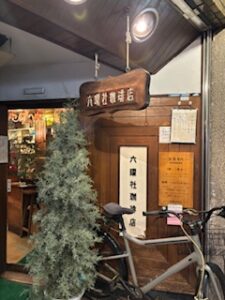
Rokuyosha is a lovely café in downtown Kyoto. I went there for a late afternoon coffee, but couldn’t resist the sight of cakes and I had a slice of pear cake. As well as hot drinks, they also serve alcohol and I would’ve happily had one. There are two floors, the ground floor, where smoking is permitted, and the basement where smoking is not allowed and this is where I went.
Wife & Husband
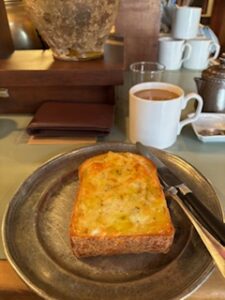
Located in northern Kyoto, this is a lovely cafe where I went for breakfast, having made a reservation several weeks prior. It is a small cafe that can seat 8 people at one time. It is full of character! The coffee was very good, and so was the cheese and honey toast.
Coffee Kobo
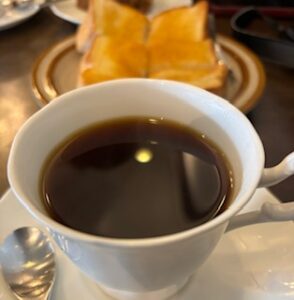
This is another lovely café, located near Rokuon-ji (Temple of the Golden Pavilion) in northwestern Kyoto.
Tea rooms
Nota Dorayaki & Black Tea
This is a tea room in downtown Kyoto. I went there without a reservation about an hour before closing time, and got seated right away. They have a good selection of teas (albeit only black) and dorayaki (a typical Japanese dessert reminiscent of pancakes).
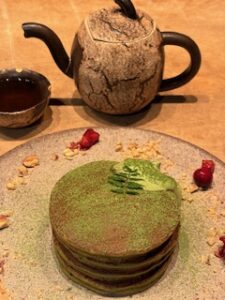
Onn Kyoto Gokomachi
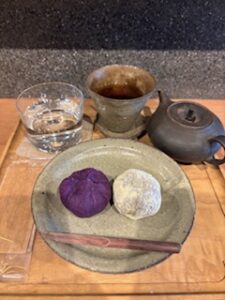
This is another tea room in downtown Kyoto. I first went there about an hour before closing time and I was told that it was fully booked. I wasn’t happy but I went back the following day, this time 2 hours before the closing time. Same story, again. On my third day, I realised that they take names when people show up, so I went there 15 minutes before they opened. They had already taken quite a few reservations so I was given a slot 3 hours (and 15 minutes) later. In all fairness, they don’t have many seats. The tea was good, and so were the two mochis I had (you have to order at least 2 for each person). The atmosphere was calm but with all this hassle of finding a place, I’m not really sure it was worth it.
Restaurants
Sushi Ishimatsu
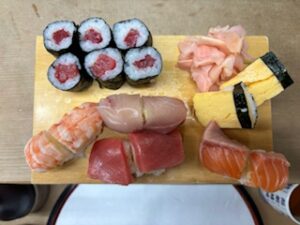
After I visited Ginkaku-ji, I had sushi at Sushi Ishimatsu, a traditional restaurant close to the Philosopher’s Path. Although there was a small queue outside and I showed up at lunchtime without a reservation, I got seated pretty quickly. The food was delicious!
Benkei Udon Higashiyama
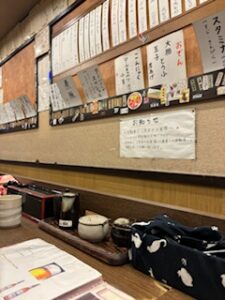
This is an udon noodle restaurant not too far from Kiyomizu-dera. I went there for dinner. Although there was a small queue when I got there, it moved pretty fast. The atmosphere was more traditional than modern. And the food was delicious!
Ramen Muraji
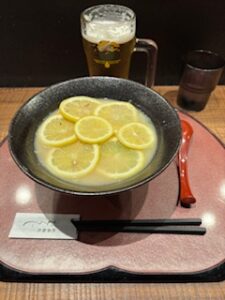
This ramen restaurant is located in downtown Kyoto. I went there for dinner without a reservation and got seated right away. I had the lemon ramen, which was delicious and one of the best I’ve had in Japan, but I also loved the one my friend ordered (black ramen). The broth was thick which is what I particularly liked about the dish.
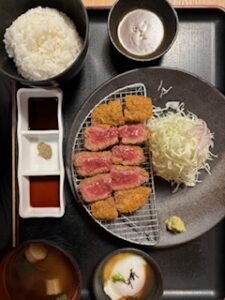
Gyukatsu Kyoto Katsugyu – Pontocho Main Shop
Pontocho is a narrow, atmospheric alley renowned for its traditional tea houses, geisha culture, and exquisite riverside dining along the Kamogawa River.
Gyukatsu Kyoto Katsugyu is a chain of restaurants specialising gyukatsu: sliced steak beef coated with bread crumbs and deep fried in oil. I had dinner there and enjoyed both the food and the atmosphere. I went there relatively late and got seated almost right away.
Bars
Jazz in Rokudenashi
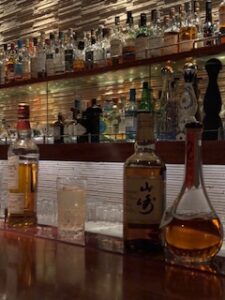
This jazz/kissa bar is located in downtown Kyoto, very close to Pontocho. I went there for a pre-dinner cocktail and had a whisky highball. They also make coffee, which smelled delicious! It’s a very small place that can seat fewer than 10 people. Although nobody was smoking, it stank of cigarette smoke making it a rather unpleasant experience for me. That said I enjoyed the jazz records that the staff played.

The Common One Bar
Located in Gion, this elegant, sophisticated bar is a bit hard to find, as you need to find the door and then follow a narrow alleyway to the bar. I had a whiskey highball and an old-fashioned. Both were excellent choices.
Experience traditional Japanese theatre
Kabuki is a traditional Japanese form of theatre known for its stylized drama, elaborate costumes, and distinctive makeup. Originating in the early 17th century, kabuki combines singing, dancing, and acting to tell stories ranging from historical events to romantic tales and moral conflicts. With its bold expressions and rich visual appeal, kabuki remains a vibrant cultural art form, recognized by UNESCO as an Intangible Cultural Heritage.
Kyoto offers two premier venues for experiencing traditional Japanese theatre: Minamiza Theatre and Gion Corner. Both venues provide authentic insights into Japan’s rich theatrical traditions. Minamiza is ideal for those seeking a full kabuki experience, while Gion Corner offers a broader overview of Kyoto’s cultural arts in a more intimate setting.
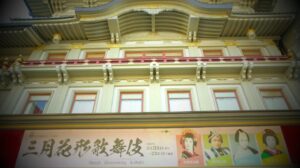
Located in the heart of Gion, Minamiza is Kyoto’s principal kabuki theatre, boasting a history dating back to 1610. The current structure, built in 1929, combines traditional Momoyama architectural style with modern amenities. Notably, it features unique stage mechanisms such as the hanamichi (runway) and a revolving stage. Performances are held year-round, with special events like the Kichirei Kaomise in December and the innovative “Minamiza Cho Kabuki,” which integrates virtual technology.
Situated near Yasaka Shrine, Gion Corner offers a 50-minute cultural performance daily at 6:00 PM and 7:00 PM. The show includes Kyomai dance, Noh, Bunraku, Ikebana, Chanoyu (tea ceremony), koto music, and Bugaku.
A day trip to Nara
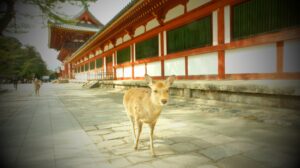
Nara, once the capital of Japan, is nowadays home to fewer than four hundred thousand inhabitants. Human inhabitants, that is, for Nara is also home to over a thousand deer roaming the city’s parks and open spaces. It takes less than an hour to get from Kyoto to Nara (by the local train), making it ideal for a day trip. Alternatively, you can visit Nara on a day trip from Osaka.
Where to stay in Kyoto
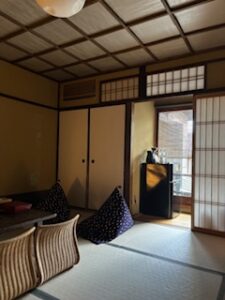
The Machiya Kamiumeya is a traditional Japanese house, with rooms converted into hotel-type accommodation. It is located close to Kiyomizu-dera and Gion.
Piece Hostel Sanjo is a central-located hostel, with en-suite rooms.
How long to visit Kyoto for
I would recommend staying in Kyoto for at least 3 days.
Further reading
To prepare for my trip, I used the Lonely Planet Japan Travel Guide. I recommend it especially if this is also your first time in Japan.
For specific recommendations on Tokyo, check my posts ‘My 13 (+1) favourite cafés in Tokyo‘ and ‘My 10 (+1) favourite bars in Tokyo‘.
Last but not least, check out my post ‘Japan trip: Osaka, Nara, Himeji and Koyasan‘.
Alex
(the Traveling Psychiatrist)